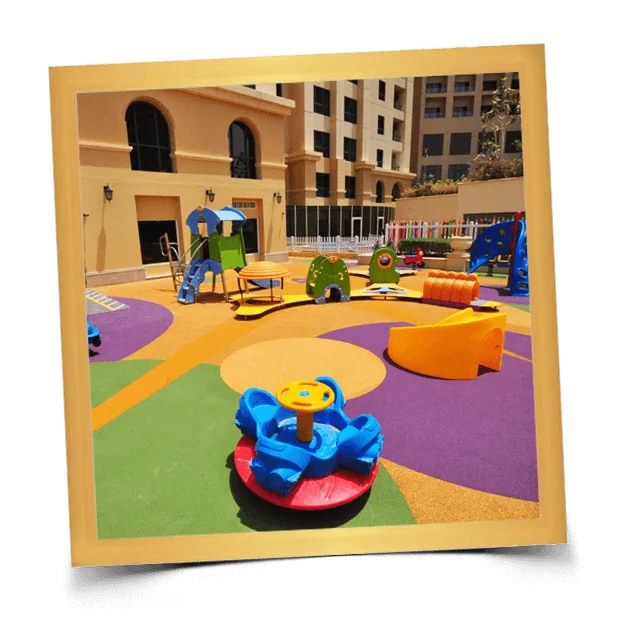
Spring gives nursery children a fresh setting for discovery, creativity, and hands-on learning. Bright flowers, young leaves, and growing seeds introduce simple science concepts through playful tasks.
Teachers can turn outdoor spaces into lively learning areas where children observe, touch, sort, water, and explore. These activities also support language, teamwork, and fine motor skills while showing how nurseries in Dubai Marina make early learning memorable.
Planting seeds in small pots
Give each child a small pot, some soil, and easy-growing seeds such as beans, cress, or sunflower seeds. Children fill their pots, place seeds inside, and add a little water. Teachers label each pot with the child’s name and place them near a sunny window.
Daily observation helps children notice tiny changes as roots and shoots appear. Simple questions about size, colour, and growth encourage children to describe what they see and share ideas with classmates.
Creating a spring flower garden
Set up a small flower garden where children help choose suitable plants and arrange them in a simple pattern. They can dig small holes, place young plants inside, cover the roots with soil, and water them gently.
Teachers introduce flower names and discuss colours, shapes, scents, and textures. Children also practise counting by grouping flowers according to colour or size. This project combines sensory exploration with early maths and vocabulary practice.
Making recycled plant markers
Turn cardboard, wooden sticks, or clean recycled materials into colourful plant markers. Children draw flowers, leaves, insects, or simple pictures on each marker before placing them beside plants. Teachers can add plant names so children connect written words with real objects.
This craft activity supports pencil control, drawing skills, recognition, and creativity. Children also enjoy seeing their artwork become part of the garden.
Exploring leaves and natural materials
Collect safe leaves, petals, twigs, and fallen seeds for a classroom sorting activity. Children compare their shapes, sizes, textures, and colours while placing similar items together. Teachers can invite children to make simple nature pictures using the collected materials.
This activity supports observation and early classification skills while encouraging children to talk about seasonal changes. It also gives young learners an enjoyable connection with the natural world.
Springtime learning through play
Spring projects give nursery students practical experiences that connect classroom ideas with real objects. Planting, sorting, crafting, observing, and watering support several learning areas within one theme. Teachers can adapt each activity to suit different ages and abilities, allowing children to participate at their own level.



More Stories
The Hidden Costs Of Skipping A Routine Security Risk Assessment
Zoning Laws And Permitting Headaches Solved By Real Estate Lawyers
Why Safety Features Are Non-Negotiable In Senior Homes