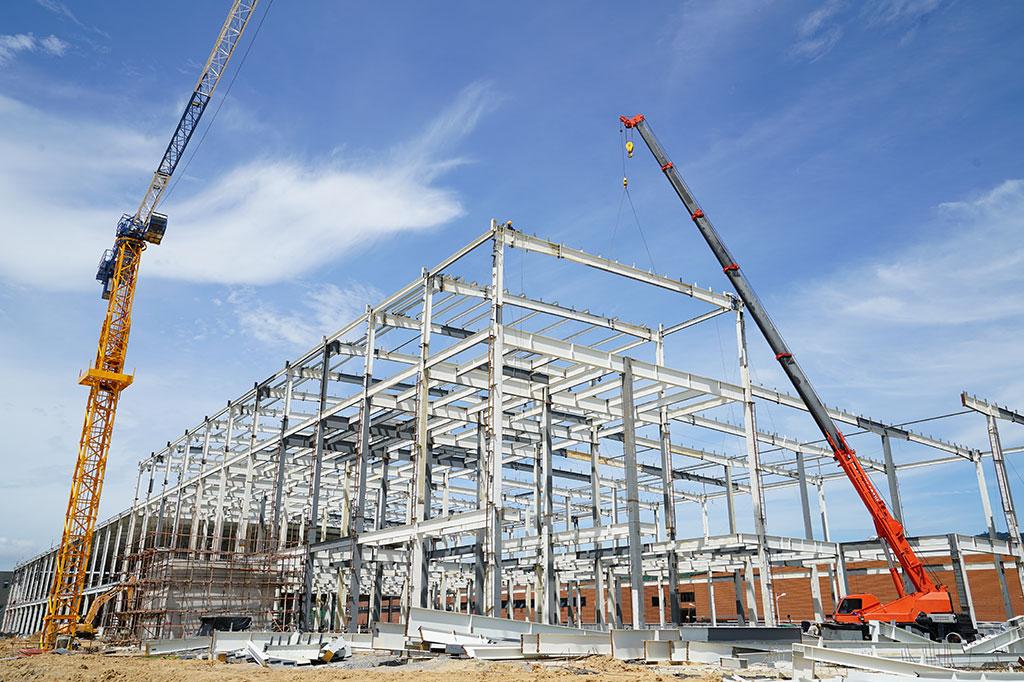
A fabrication project can run into costly delays before the first piece of steel is even cut. Unclear drawings, last-minute design changes, unrealistic deadlines, and incomplete specifications often create problems that could have been avoided with better preparation. Your fabrication provider may understand these challenges better than anyone, but clients rarely hear about them until something goes wrong.
These six insights reveal what professionals want clients to understand before starting a project involving steel fabrication services.
1. Detailed drawings save money
Clear drawings give fabricators the information required to produce accurate components. Missing dimensions, unclear specifications, and frequent revisions waste materials and cause production delays.
Share complete drawings, connection details, and project requirements before manufacturing begins. Accurate documentation helps teams estimate costs correctly, organize materials, and maintain consistent output throughout production.
2. Material quality matters greatly
Steel grades differ in strength, durability, and suitability across applications. Your provider selects materials according to structural requirements, environmental conditions, and industry standards.
Cheap materials may reduce initial costs but create durability issues later. Discuss material specifications and request relevant certificates before approving an order. Reliable steel supports long-term performance and structural safety.
3. Deadlines require realistic expectations
Fabrication involves several stages, including cutting, drilling, welding, finishing, and inspection. Each stage requires sufficient production time and coordination. Urgent requests may increase costs or affect scheduling across existing projects.
Share your deadlines early and allow reasonable production time. Realistic schedules help fabricators maintain quality while coordinating deliveries and installation requirements.
4. Design changes affect project costs
Even a small revision can influence material quantities, machine settings, labor hours, and production schedules. Changes after cutting or welding begins introduce additional expenses. Discuss design decisions with your fabrication team before approving final drawings. Early communication helps prevent unnecessary rework and keeps budgets within reasonable limits throughout the project.
5. Quality inspection protects your investment
Fabricators follow inspection procedures to identify defects and maintain compliance with project specifications. Visual checks, dimensional verification, and specialized testing help confirm product quality.
Ask about inspection standards and documentation before production starts. Clear quality expectations encourage accountability and provide confidence in the finished steel components.
6. Communication keeps everything on track
Regular updates help both parties monitor progress and resolve concerns promptly. Share site conditions, delivery requirements, and installation schedules with your provider. Respond quickly to technical questions and approve drawings without unnecessary delays.



More Stories
The Black Sand Grading Guide For First Time Buyers
How Small Firms Scale Comfortably Using Group Health Insurance
How To Communicate Your Vision To A Bespoke Interior Designer