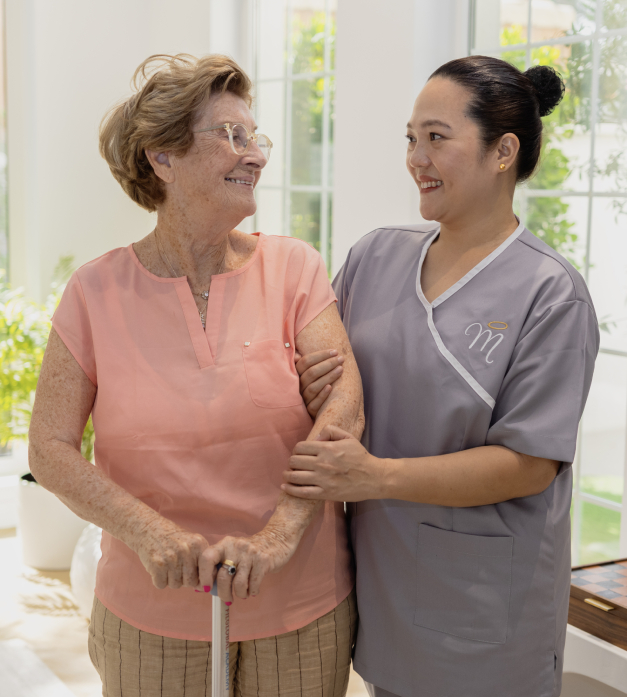
A senior home should provide comfort, dignity, and peace of mind every day. As people age, simple tasks like walking, bathing, climbing stairs, or getting out of bed can create new risks. A safe living space helps reduce these risks and gives residents greater confidence during daily routines. From secure bathrooms to clear walkways, each feature matters. Families must look for these details before choosing an old age home near me for their loved ones.
Secure bathrooms
Bathrooms require special attention because wet floors can cause serious falls. Senior homes should install grab bars near toilets and showers, non-slip flooring, shower seats, and easy-to-reach controls. Good lighting also helps residents see wet areas and obstacles clearly. These features support safer bathing and reduce the chance of slips.
Clear and safe walkways
Cluttered halls, loose rugs, and narrow paths can make movement risky. A well-kept home keeps walkways open and gives residents enough space to move comfortably. Staff should check floors regularly and remove objects that could cause trips. Handrails along corridors and staircases also give residents extra support.
Proper lighting everywhere
Poor lighting can make small objects, steps, and changes in floor levels hard to spot. Senior homes should provide bright lighting in bedrooms, halls, bathrooms, stairways, and shared spaces. Night lights near beds and bathrooms help residents move safely after dark. Easy-to-use switches also make lighting access simpler.
Emergency support systems
Quick help matters during falls, sudden illness, or other emergencies. Senior homes should provide emergency call buttons in bedrooms, bathrooms, and common areas. Staff should respond quickly when residents use these systems. Regular emergency drills also help workers act calmly during fires, medical events, or other urgent situations.
Safe bedroom arrangements
Bedrooms should support easy movement from the bed to the bathroom or sitting area. Beds at suitable heights make getting up easier. Furniture should remain stable, and electrical cords should stay away from walking areas. Staff can also keep frequently used items within easy reach to reduce unnecessary stretching or climbing.
Trained and alert staff
Safety features work best when staff know how to use them properly. Workers should understand fall prevention, emergency procedures, safe transfers, and basic first aid. Regular training keeps these skills fresh and helps staff spot hazards early. Friendly communication also encourages residents to report loose rails, damaged floors, poor lighting, or other safety concerns.




More Stories
How To Communicate Your Vision To A Bespoke Interior Designer
How To Pick Team Building Training Courses For Your Team
Do Veneers Look And Feel Like Real Teeth?