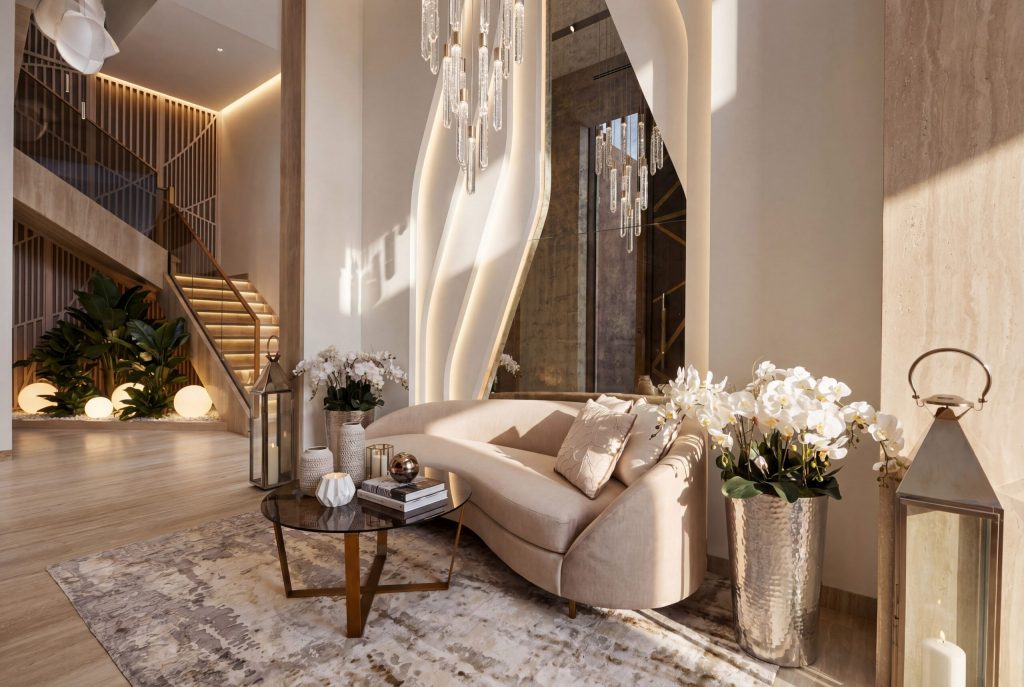
Personal interiors begin with ideas that deserve thoughtful expression. Perhaps you picture warm colours, elegant furniture, natural materials, or rooms with a clean, modern appearance. Sharing these preferences gives bespoke interior designers a clear starting point and helps them develop a design concept that reflects your personality, practical priorities, and preferred atmosphere.
Define your personal style
Begin by identifying the styles that appeal to you. Collect photographs of rooms, furniture, fabrics, and colour palettes that match your taste. Notice recurring details, such as warm wood, neutral walls, sculptural furniture, or bold artwork. Explain what attracts you to each reference instead of simply showing pictures. This gives your designer useful insight into your preferences and helps establish a consistent design direction.
Explain how you use each room
A room should reflect the daily habits of the people who use it. Describe your routines, preferred activities, storage habits, and expectations regarding comfort. Explain how family members share common areas and how you use private spaces. Clear information helps the designer recommend suitable layouts, furniture sizes, lighting arrangements, and practical finishes. Real examples make your expectations easier to understand and apply.
Prepare a realistic budget
Discuss your budget openly before the design process advances. Share your spending limit, preferred quality levels, and priorities across different rooms. Mention areas where you prefer premium materials and features where simpler alternatives suit your plans. An honest financial discussion helps the designer select suitable products, manage costs, and suggest alternatives without losing sight of your original vision.
Use visual references and clear descriptions
Words such as elegant, modern, cosy, or luxurious mean different things to different people. Support your descriptions with photographs, fabric samples, sketches, or links to furniture you admire. Explain specific details you like, including texture, proportions, lighting intensity, and colour combinations. Also identify features you dislike. These examples reduce confusion and give your designer a clearer picture of your expectations.
Communicate openly throughout the project
Maintain regular discussions as the design develops. Review drawings, material samples, colour selections, and furniture proposals before approving major decisions. Ask questions when a recommendation differs noticeably from your original idea. Share feedback respectfully and explain the reasons behind your preferences. Open communication helps both sides resolve concerns early and keeps design decisions aligned with your expectations.



More Stories
How To Pick Team Building Training Courses For Your Team
Do Veneers Look And Feel Like Real Teeth?
The Italian Fabric Suits Every Groom Should Consider